How I Pack for Yellowstone With Kids
After enough Yellowstone trips with four kids, I stopped trying to pack less. I started packing differently.
Leah Cooper · September 14, 2026
9 minute read
The first time we packed for Yellowstone, I did what I think most people do. I pulled out suitcases, folded everything neatly, and felt very organized in my own driveway.
Then we got there. It was 39 degrees at breakfast and 78 by lunch. Someone soaked both pairs of shoes in a creek before ten in the morning. And every single thing I needed was at the bottom of a hard-sided suitcase wedged behind a cooler.
We've been back more than ten times now, in every season, with kids ranging from toddlers to teenagers. Somewhere in there I stopped trying to bring less and started paying attention to how we actually use our stuff once we're in the park.
That's what this is. Not the full checklist — the system underneath it.
First: Skip the Suitcases
Hard suitcases don't work for camping. They don't squish, they don't stack around a cooler, and they take up the exact space you need for the things you actually reach for.
We use soft-sided duffels. They compress, they slide into weird gaps in the back of the vehicle, and when one is empty it flattens instead of taking a full cubic foot hostage for the rest of the trip.
Inside the duffels, everyone gets their own packing cubes. Every kid knows which cube is theirs. Clothes in one, pajamas tucked in with them. When it's time to get dressed, nobody excavates anything — you hand a kid their cube and walk away.
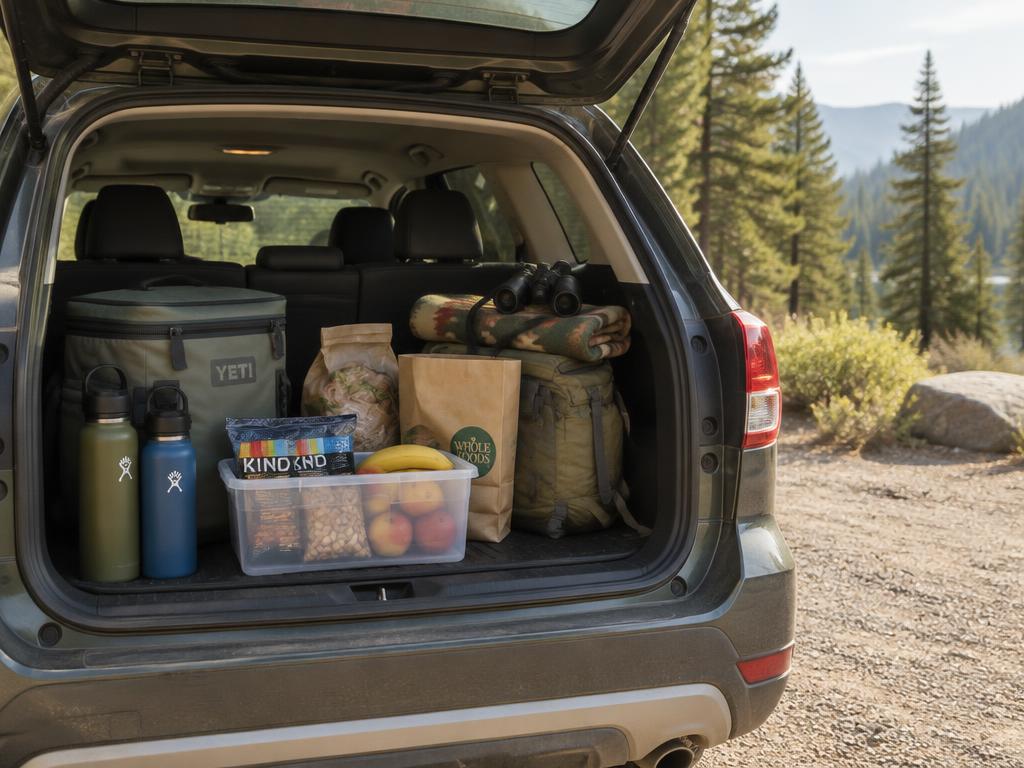
Everything we need during a park day comes out of the back of the vehicle a dozen times. The bags that get opened most should be the ones you can reach without moving anything else.
The System
Pack by what you're doing, not just who it belongs to.
- Individual packing cubes
- Everyday clothes + pajamas
- Packed inside soft-sided duffels
- Cold Bag
- Water Adventure Bag
- Kids' Backup Cube
- Mama Bag
- Shoes
Pack by What You're Doing, Not Just Who It Belongs To
Here's the shift. Personal clothing stays personal — cubes, duffels, done. But the gear that only comes out for a specific situation doesn't belong in anyone's individual bag.
If we're heading out at sunrise to look for wolves, I don't want to open four cubes to find four sets of gloves. I want one bag. If the kids find water — and they always find water — I don't want to dig through anyone's clothes for water shoes.
So the cold-weather things live together. The water things live together. The backup things live together. Grab a bag, close the hatch, go.
Label Everything—Because I Am Not the Family Inventory System
There's one more extremely sophisticated piece of equipment involved in my packing system:
Duct tape and a Sharpie.
I put a piece of duct tape on the bags and write a general description of what's inside.
COLD.
WATER.
DAY CLOTHES.
Whatever makes sense.
It doesn't need to be pretty. It needs to be obvious.
And this isn't really for me.
I packed the bags. I know where everything is.
This is for everyone else to become familiar with the system.
Husband... cough cough.
Because I do not want to spend the entire trip being the only person who knows where everything is.
"Mom, where are the gloves?"
Cold bag.
"Where's my swimsuit?"
Water bag.
"Where are the extra clothes?"
Read the label.
I already did the work of figuring out what we needed, buying it, packing it and getting it into the car. I don't also need to carry the mental load of being the family's walking inventory system for the entire trip.
The labels mean everybody can learn where things belong.
And that's important on the other end too.
If someone takes something out, they know where it goes back.
The whole point of this system isn't for me to be incredibly organized.
It's for the system itself to be organized enough that everyone can use it.
The Cold Bag
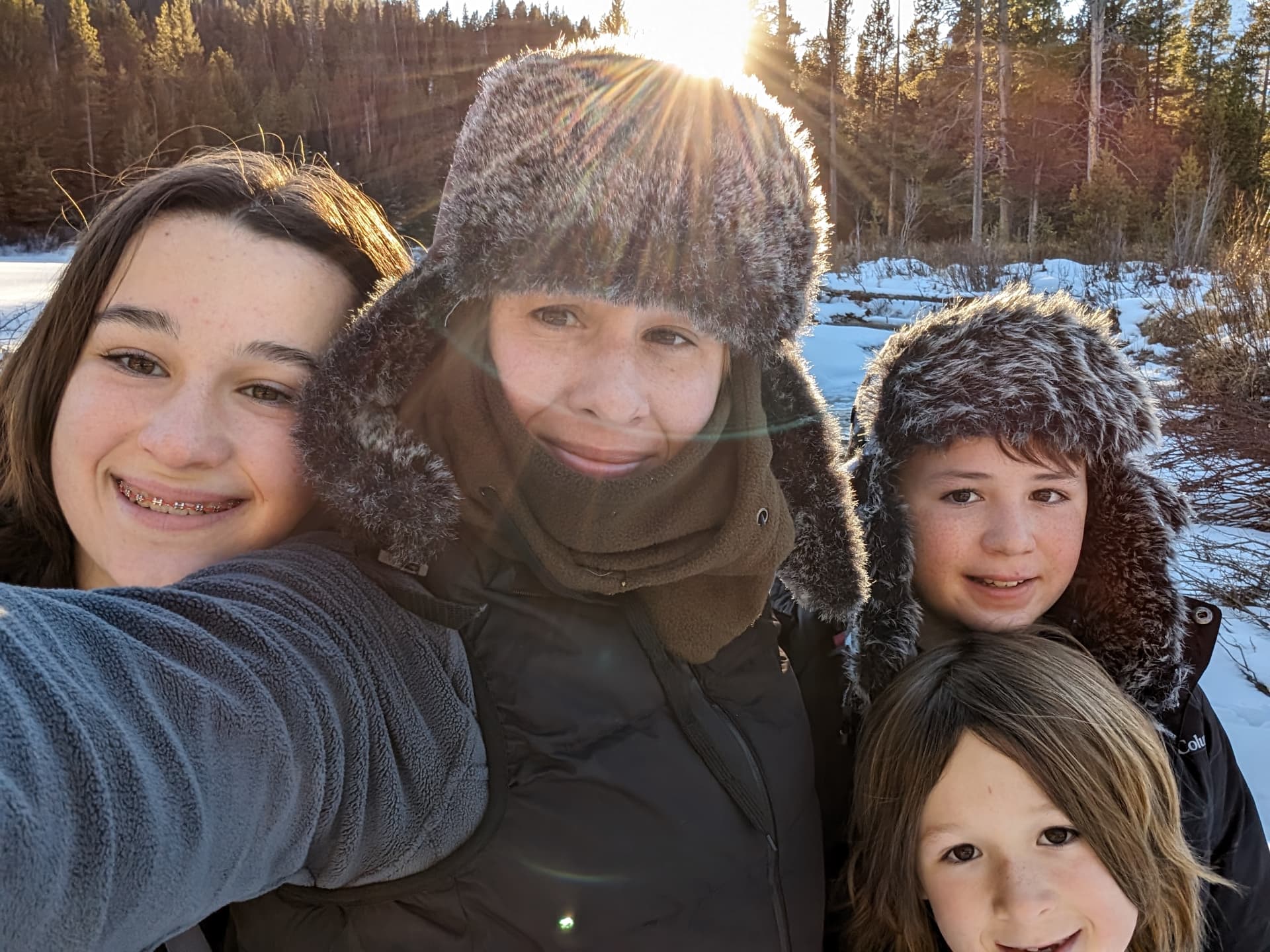
Yellowstone is high and cold in the morning no matter what the forecast said when you booked the trip. We've worn beanies in July.
The Cold Bag holds:
- Hats and beanies
- Gloves — plus spares
- Extra fleece layers
- Wool socks
- Hand warmers
- A couple of blankets
It stays somewhere I can reach it from the back seat. When we leave camp at 5:30 in the dark, nobody is looking for their own hat. Everyone's hat is in the bag.
The Water Adventure Bag
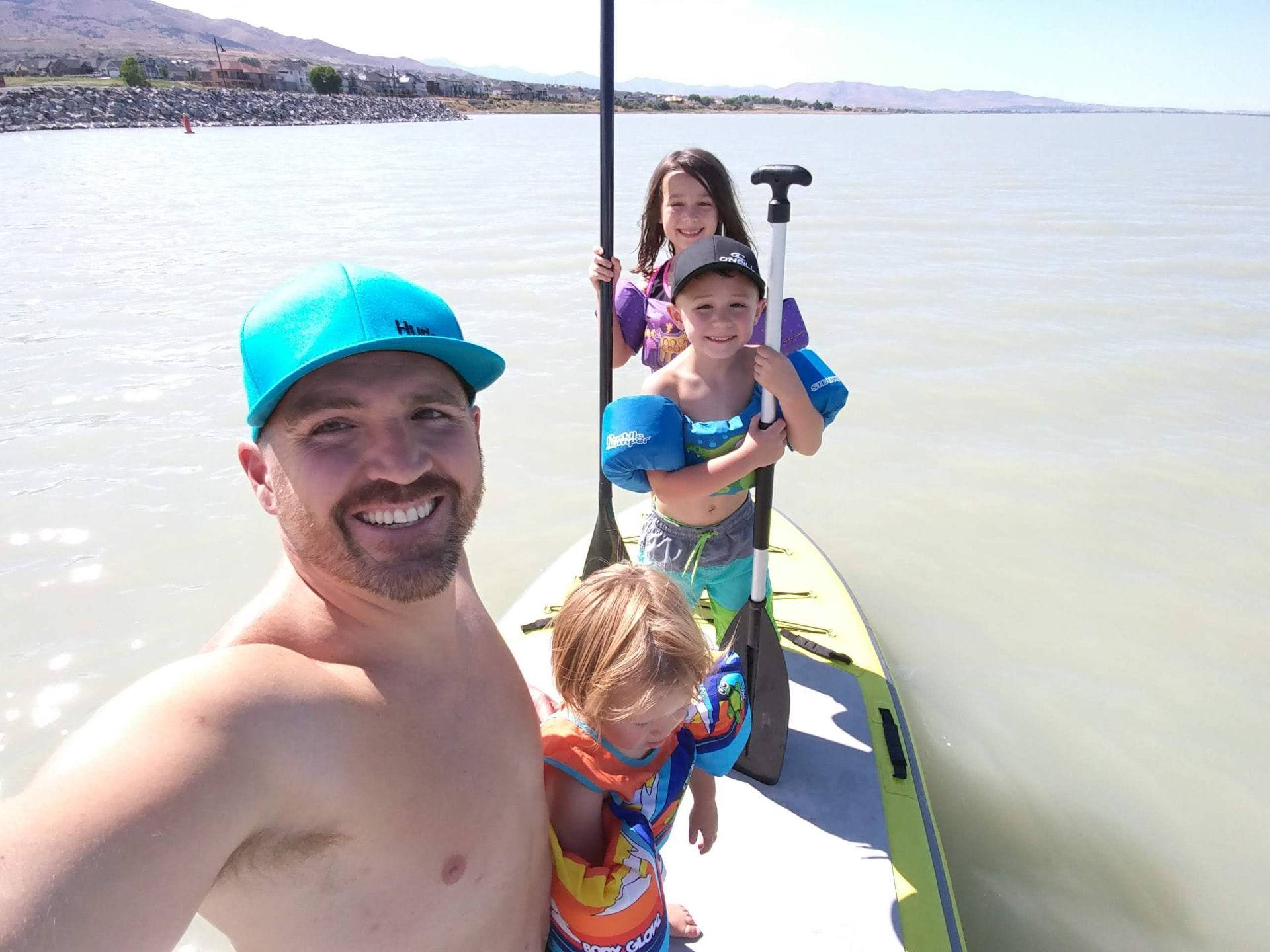
Kids get in water. Rivers, lakes, a puddle at a pull-off. It doesn't matter whether it was on the plan.
The Water Adventure Bag means it isn't a problem. Swimsuits, water shoes, quick-dry towels, one dry set of clothes per kid, and a dry bag for whatever comes back wet. Fishing gear goes near it too, since it usually gets used at the same time.
The day my kids remember most from one trip was not a geyser. It was an afternoon in a river we hadn't planned to stop at. We stopped because I knew exactly which bag to grab.
One bag is the difference between "not today" and pulling over.
Keep a Small Backup Cube for the Kids
One extra cube, not assigned to anyone. A couple of shirts, a couple of pairs of pants, socks, underwear, one extra sweatshirt.
It's not glamorous and it's not clever. It's for the mud, the spilled hot chocolate, the kid who somehow has no clean pants on day three. It has saved a laundry stop on more trips than I can count.
Mama Gets Her Own Bag
For years my stuff was the filler. Whatever space was left after everyone else was packed, that's what I got. Which meant I spent trips cold, or without the thing I needed, or wearing the same fleece for a week.
Now I have my own bag and nothing else goes in it. Not a kid's shoes. Not the camera batteries. Not the snacks.
“Protect the mama bag.”
You are on this trip too. You will enjoy it a great deal more with your own jacket, your own gloves, and a hair tie you can actually find.
You Probably Need More Shoes Than You Think
This is the one I underestimated the longest. In Yellowstone, shoes get wet, muddy, dusty and stepped on, and wet shoes don't dry overnight in a cold tent.
Per kid, we bring:
- Trail shoes or hiking shoes for real walking
- Water shoes that can get destroyed
- Easy camp shoes for around the site and midnight bathroom trips
All the shoes go in one bag, not in individual cubes. Shoes are filthy. Keep them away from the clean clothes and keep them in one place you can find in the dark.
Don't Picture All of This Riding Around With You
When people hear duffels plus activity bags plus a shoe bag, they picture a vehicle so full nobody can see out the windows. That's not how it works.
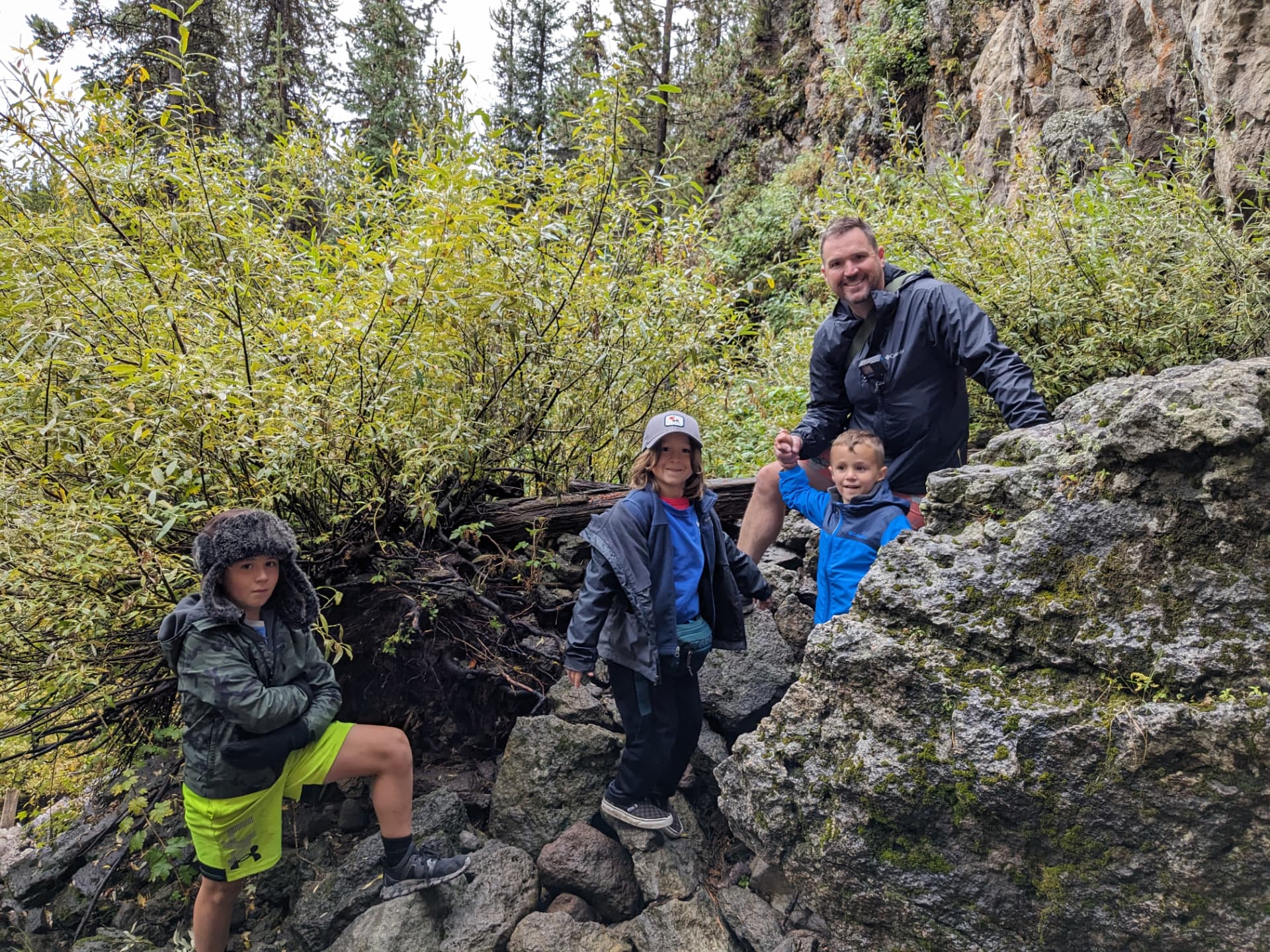
Most of it stays at camp — in the tent, in the camper, in the bear box where it belongs. What rides with us during the day is small: the Cold Bag, the water bag if there's any chance of water, food and water bottles, and the wildlife gear.
This is camping. This is not luxury. Nobody's clothes are being steamed. But when the sun comes out and a kid needs to shed three layers, or the wind picks up and everyone needs a hat, we're not unpacking the whole vehicle on the shoulder of the Grand Loop Road.
“This is camping. This is not luxury.”
The System Is the Important Part
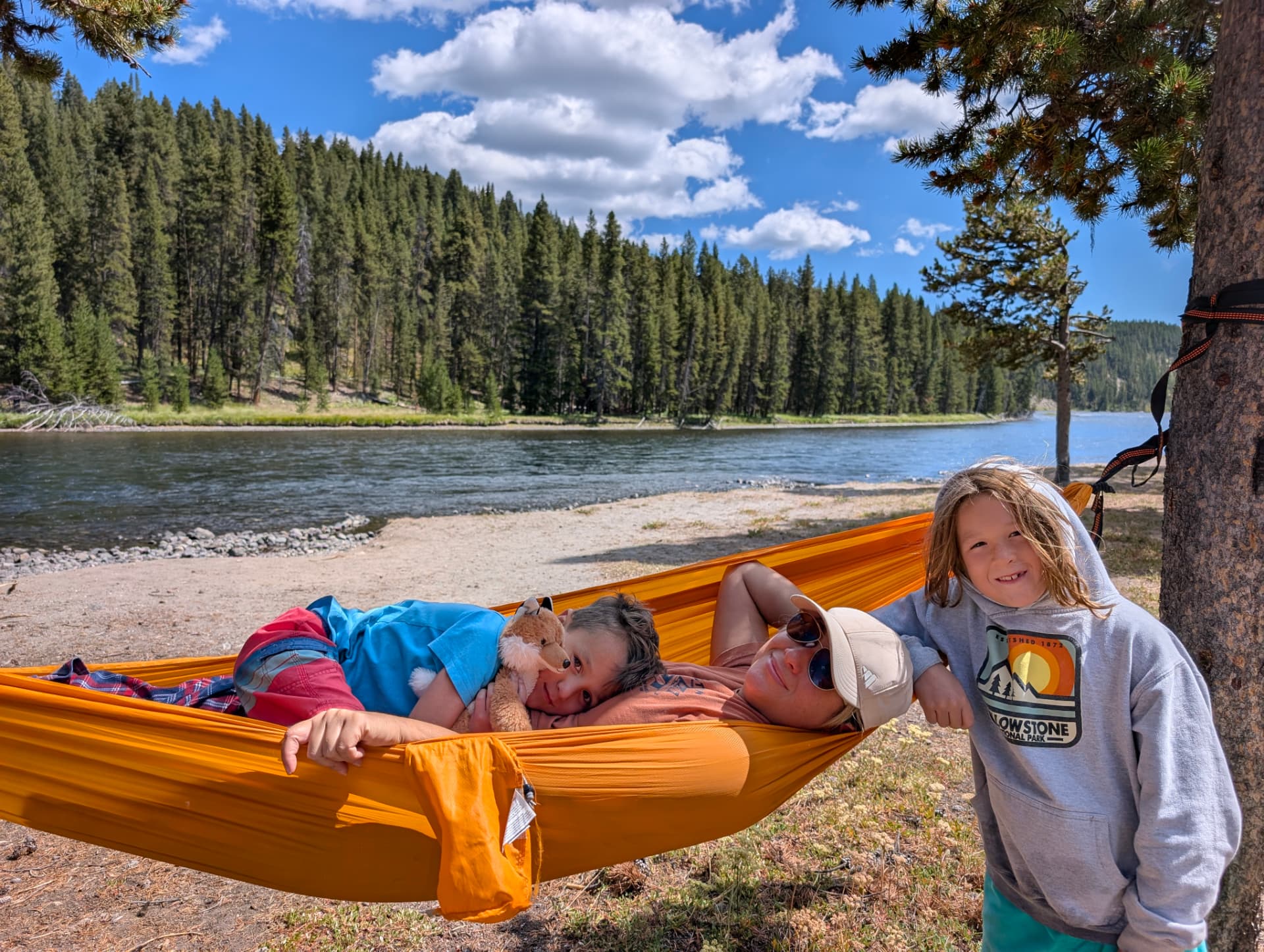
You'll adjust the contents. Your kids are different ages than mine, you'll go in a different season, and you'll figure out your own version of the Cold Bag within about two days.
The goal isn't necessarily to pack less. It's to pack in a way that makes sense once you're there.
Because the good parts of Yellowstone rarely happen on schedule. A bison herd crosses the road. A river looks too good to drive past. The temperature drops twenty degrees while you're standing on a boardwalk.
You just want to be organized enough that when it happens, you can grab the right bag and keep going.
Want the actual list?
This is the system. I've also put together the actual Yellowstone packing list so you can check things off instead of trying to remember everything I just told you.
View the Yellowstone packing list →Keep planning Yellowstone
The rest of what we've figured out over more than ten trips.
Stay in touch
Letters from the road.
Trip notes, packing lists and the things we learned the hard way — sent when there's something genuinely useful to share.
No spam. Unsubscribe any time.